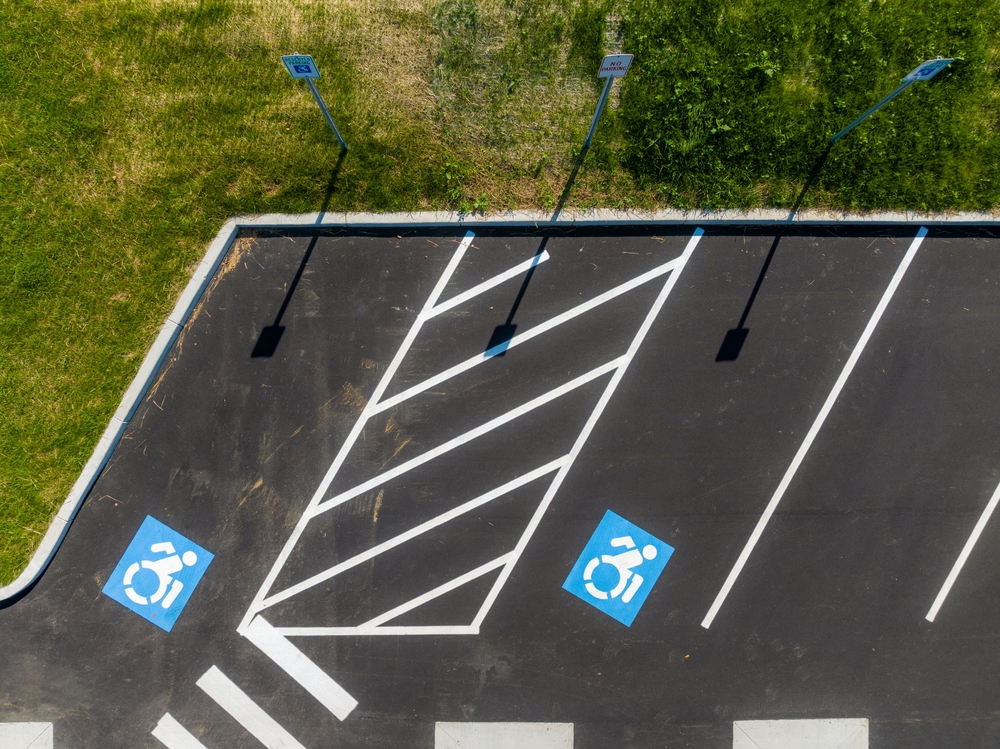
Parking lots in Bartlett deal with more than daily vehicle traffic. Hot summer pavement, frequent rain, winter cold snaps, and repeated temperature changes can all accelerate cracking, fading, surface deterioration, and drainage problems.
For local businesses and property managers, understanding how the weather affects asphalt can make it easier to plan maintenance before minor defects become larger repairs.
How Does Weather Affect Parking Lots in Bartlett, TN?
Weather in Bartlett, TN affects parking lots by repeatedly exposing asphalt to heat, moisture, temperature changes, and occasional freezing conditions. Summer heat can soften and oxidize asphalt, while rain can enter existing cracks. During colder periods, trapped moisture may expand if temperatures fall below freezing, increasing stress around damaged pavement.
The biggest concern is usually not one isolated weather event. It is the repeated cycle of sun, rain, traffic, cooling, and heating that gradually weakens a parking lot over time.
What local property owners should know
-
Strong summer sun and temperatures commonly reaching around 90°F in the Memphis area can contribute to asphalt oxidation and fading.
-
The Memphis-area climate receives precipitation throughout the year, so cracks and poor drainage should not be ignored.
-
Winter temperatures can fall below freezing, allowing water inside pavement cracks to contribute to additional deterioration.
-
Low areas where water collects after storms often deteriorate faster than pavement that drains properly.
-
Regular inspections can help Bartlett property owners address small cracks and surface wear before more extensive repairs are necessary.
Why Does Bartlett Weather Matter for Asphalt?
Bartlett weather matters for asphalt because local pavement must withstand both long, hot summers and cooler winter conditions while receiving rainfall in every season. National Weather Service climate normals for nearby Memphis show average summer highs near or above 90°F during July and August and annual precipitation of about 55 inches.
Bartlett sits in central Shelby County next to Memphis, so Memphis climate observations provide useful regional context for local pavement conditions.
Commercial properties along Stage Road, Bartlett Boulevard, U.S. Highway 64, and other busy corridors may experience an especially demanding combination of weather exposure and regular traffic. The City of Bartlett identifies Stage Road as a major commercial corridor and also notes extensive retail, office, and industrial development in the community.
Riley Asphalt & Sealcoating helps property owners understand how these conditions can affect paved surfaces. We look at the condition of the pavement itself, including cracking, drainage, surface wear, and areas where deterioration may already be progressing.
What Do Local Weather Patterns Tell Us About Pavement Wear?
Local weather patterns show that asphalt around Bartlett experiences substantial seasonal variation rather than one consistent climate condition all year. National Weather Service normals for Memphis list average monthly highs ranging from about 51°F in January to about 92°F in July, with measurable precipitation in every month.
For asphalt, those changes matter.
Hot pavement can become more vulnerable to deformation under repeated loads. Sunlight also contributes to oxidation, which gradually makes asphalt look gray and become more brittle.
Rain creates a different problem. Sound asphalt is designed to shed water, but cracks and failed areas give moisture a pathway below the surface. Once water reaches the base beneath the asphalt, continued traffic can contribute to movement and additional pavement failure.
Cold weather can compound existing damage. Water trapped in cracks may expand during freezing conditions, widening openings that were already present.
How Can Weather Damage a Commercial Parking Lot?
Weather can damage a commercial parking lot by weakening both the asphalt surface and the supporting material underneath it. The visible crack on top may be only one part of the problem.
For local businesses, pavement deterioration can affect:
-
Driving comfort for customers and employees
-
The appearance of entrances and parking areas
-
Drainage after heavy rainfall
-
Pedestrian conditions near cracked or uneven pavement
-
Maintenance budgets when minor repairs are postponed
-
Access to parking spaces while larger repairs are eventually completed
Properties around Wolfchase Farms, Hickory Creek, Brunswick, and other parts of the Bartlett area face the same basic concern: once water has a reliable path through damaged asphalt, deterioration can become harder to contain.
What Are the Warning Signs of Weather-Related Asphalt Damage?
Weather-related asphalt damage usually appears as cracking, standing water, faded pavement, loose material, or surface deformation. Property managers should inspect paved areas regularly, especially following severe storms, periods of extreme heat, and winter weather.
Watch for these signs:
-
Growing cracks: Cracks that become longer or wider can allow increasing amounts of moisture beneath the pavement.
-
Standing water: Puddles that remain well after rainfall may indicate drainage or grading problems.
-
Gray or faded asphalt: Significant color loss can be a visible sign of surface oxidation and aging.
-
Loose aggregate: Small stones or pavement particles breaking away can indicate surface deterioration.
-
Potholes: Potholes indicate that deterioration has progressed beyond a simple surface crack.
-
Depressions or low spots: Sunken pavement can collect water and may point to problems below the asphalt.
-
Alligator cracking: A network of interconnected cracks can indicate more substantial pavement or base failure.
When Should You Call an Asphalt Professional?
You should call an asphalt professional when cracks are spreading, potholes are forming, drainage problems persist, or multiple areas of pavement show deterioration. Small changes can be monitored, but recurring damage deserves a closer assessment.
A property manager can safely walk the parking lot after rainfall and note cracks, puddles, faded sections, or loose material. What is harder to determine without experience is whether a visible defect is limited to the surface or connected to problems in the pavement base.
Professional evaluation becomes especially useful when the same section repeatedly develops problems after repairs.
What Causes Most Parking Lot Damage in Bartlett?
The most common causes of parking lot damage in Bartlett are water intrusion, heat and sunlight, traffic loads, aging asphalt, inadequate drainage, and temperature changes. These factors often work together rather than independently.
1. Water intrusion
Rainwater can enter open cracks and reach the aggregate base below the pavement. Drainage problems make this worse by keeping water on or near vulnerable areas.
2. Summer heat and sunlight
Long exposure to heat and ultraviolet radiation contributes to oxidation. As asphalt loses flexibility, cracking can become more likely.
3. Vehicle traffic
Cars, delivery vehicles, garbage trucks, and other heavy vehicles apply repeated loads. Pavement that has already been weakened by moisture or age may deteriorate more quickly under those loads.
4. Winter temperature changes
Shelby County does not experience the prolonged winters found in colder regions, but freezing temperatures still occur. Existing cracks containing moisture may become more vulnerable during cold weather.
5. Delayed maintenance
A narrow crack is generally easier to address than a pothole or failed section. Allowing minor defects to remain through repeated seasons gives weather more time to affect the pavement.
How Can You Protect a Parking Lot From Bartlett Weather?
You can protect a parking lot from Bartlett weather by keeping water out of cracks, maintaining drainage, monitoring worn areas, and scheduling appropriate pavement maintenance before deterioration becomes severe.
A practical local maintenance routine includes checking pavement in spring after winter temperature changes, monitoring it during summer heat, clearing drainage paths before periods of heavy rainfall, and inspecting again before colder weather arrives.
Property owners can safely remove debris from drains and visually document cracks. Structural repairs, large crack networks, drainage corrections, sealcoating, and significant asphalt repairs should be evaluated by experienced pavement professionals.
What Results Can You Expect From Proper Asphalt Maintenance?
Proper asphalt maintenance can slow deterioration, improve appearance, help limit water intrusion, and reduce the likelihood that minor pavement defects turn into larger repair areas. The exact result depends on the current condition and structure of the parking lot.
A relatively sound parking lot with isolated cracks may have very different needs from pavement with widespread alligator cracking, potholes, or base failure.
Maintenance does not restore structurally failed pavement to new condition. The right approach begins with determining whether the problem is preventive, surface-level, or structural.
What Parking Lot Maintenance Mistakes Should Bartlett Property Owners Avoid?
The biggest parking lot maintenance mistakes are ignoring drainage, waiting too long to address cracks, and using a surface treatment where structural repair is actually needed.
Mistake: Ignoring standing water
Consequence: Water receives more time to enter damaged pavement.
Better approach: Identify why the area is holding water and determine whether drainage or pavement correction is needed.
Mistake: Waiting for cracks to become potholes
Consequence: Moisture and traffic can continue affecting the damaged area.
Better approach: Inspect cracks while they are still manageable.
Mistake: Treating every pavement problem with sealcoating
Consequence: Structural problems remain beneath the coating.
Better approach: Repair failed pavement before applying preventive treatments where appropriate.
Mistake: Scheduling maintenance without considering weather
Consequence: Temperature or moisture conditions may not be suitable for the planned application.
Better approach: Schedule asphalt work according to both pavement condition and appropriate weather conditions.
What Is a Common Weather-Related Parking Lot Scenario in Bartlett?
A common Bartlett scenario starts with a small crack that receives little attention because the parking lot still functions normally. Rain enters the opening, traffic continues crossing it, and seasonal temperature changes place additional stress on the area.
Over time, the crack may widen or connect with other cracks. Water can begin affecting the material below the asphalt, and a section that once required relatively limited attention may need more substantial repair.
This is a common local scenario, not a specific customer case study. The important lesson is that parking lot problems are usually easier to manage before several seasons of weather have acted on them.
Which Asphalt Services Can Help With Weather-Related Damage?
Asphalt repair, crack treatment, sealcoating, and ongoing pavement maintenance can address different stages of weather-related deterioration. The appropriate solution depends on what has already happened to the pavement.
Crack treatment may help limit water intrusion where cracks remain suitable for that type of maintenance. Sealcoating can help protect an appropriate asphalt surface from oxidation and weather exposure. Damaged or failed areas may require asphalt repair rather than another surface treatment.
We can evaluate the visible condition of a parking lot and help determine which approach matches the existing pavement.
Is Maintenance or Repair the Better Option?
Maintenance is generally the better option when pavement remains structurally sound, while repair becomes necessary when sections have already failed. Choosing between them requires looking below the appearance of the surface.
Sealcoating should not be treated as a substitute for repairing potholes, severe cracking, or unstable pavement. Likewise, replacing otherwise serviceable asphalt may be unnecessary when preventive maintenance can address the current stage of wear.
The goal is to match the service to the condition of the pavement rather than automatically choosing the most extensive option.
What Areas Around Bartlett May Face Similar Parking Lot Conditions?
Properties throughout Bartlett and surrounding Shelby County experience similar regional heat, rainfall, and seasonal temperature changes. Nearby areas around Memphis, Lakeland, and Arlington can encounter many of the same pavement maintenance concerns.
Within the city, commercial properties near Stage Road, Bartlett Boulevard, Brunswick Road, Appling Road, and the Wolfchase area may combine substantial weather exposure with regular vehicle traffic.
What Can Happen If Weather-Related Pavement Damage Is Ignored?
Ignoring weather-related pavement damage can allow water intrusion, cracking, potholes, and surface deterioration to progress. Waiting does not guarantee major failure, but existing defects generally have more opportunities to worsen as they experience additional rain, heat, cold, and traffic.
Bartlett’s own roadway planning illustrates the importance placed on pavement condition. The city’s FY2027 paving plan includes work in areas such as Wolfchase Farms, Hickory Creek, Appling Road North, Brunswick Road, Elmore Park Road, and Elmore Road as part of its pavement-management strategy.
Commercial parking lots are privately maintained, but the principle is similar: understanding pavement condition helps owners plan work instead of simply reacting to failure.
Frequently Asked Questions About Bartlett Parking Lot Weather Damage
Does hot weather damage asphalt parking lots in Bartlett, TN?
Yes. Hot weather and sunlight can contribute to asphalt oxidation, fading, and gradual loss of flexibility. Summer temperatures in the Memphis region commonly reach around 90°F, which also means pavement surfaces can become significantly hotter than the surrounding air. Regular maintenance can help address weather-related surface aging.
Does rain damage parking lots in Bartlett, TN?
Rain becomes particularly damaging when water can enter existing cracks or collect in low areas. The Memphis area receives precipitation throughout the year, so drainage and crack management are important considerations for Bartlett parking lots rather than issues limited to one rainy season.
Can freezing weather cause asphalt cracks in Shelby County?
Yes. Freezing conditions can contribute to deterioration when water has entered cracks or voids in the pavement. As moisture freezes and expands, existing weaknesses can become larger. Shelby County winters are relatively mild compared with northern climates, but below-freezing temperatures still make open cracks worth addressing.
When is the best time to inspect a parking lot in Bartlett?
Spring and fall are useful times for thorough parking lot inspections, but property managers should also check pavement after major storms or unusual winter weather. A post-rain inspection is particularly helpful because standing water, blocked drainage, and low spots are easier to identify while the pavement is wet.
Can sealcoating fix cracks or potholes?
No. Sealcoating is a protective surface treatment, not a structural repair for potholes or severely failed asphalt. Appropriate cracks and damaged areas should be addressed before sealcoating. A pavement evaluation can help determine whether a Bartlett property needs preventive maintenance, localized repair, or more extensive work.
Why does the same pothole sometimes return after repair?
A pothole may return when the underlying cause has not been corrected. Poor drainage, weakened base material, repeated heavy traffic, or surrounding pavement failure can all contribute. If the same location on a Shelby County property repeatedly fails, the area may need more investigation than another surface patch.
How often should a commercial parking lot be inspected?
A commercial parking lot should be visually checked several times throughout the year and after significant weather events. Formal maintenance needs depend on pavement age, traffic, drainage, and current condition, so there is no single schedule that fits every Bartlett business property.
Is standing water on a parking lot a serious problem?
Persistent standing water deserves attention because it may indicate poor drainage, settlement, or a low area in the pavement. Water that reaches cracks can also contribute to deterioration below the asphalt. Property owners should pay particular attention to puddles that repeatedly form in the same locations after Bartlett-area storms.
Protect Your Bartlett Parking Lot From Seasonal Wear
Bartlett weather exposes commercial pavement to summer heat, year-round rainfall, winter cold, and constant seasonal changes. Regular inspection and timely maintenance can help property owners catch developing problems while more options are still available.
Keep Weather From Turning Small Pavement Problems Into Bigger Ones
We can help you evaluate cracking, surface wear, drainage concerns, and other signs of asphalt deterioration so you can make an informed maintenance decision.