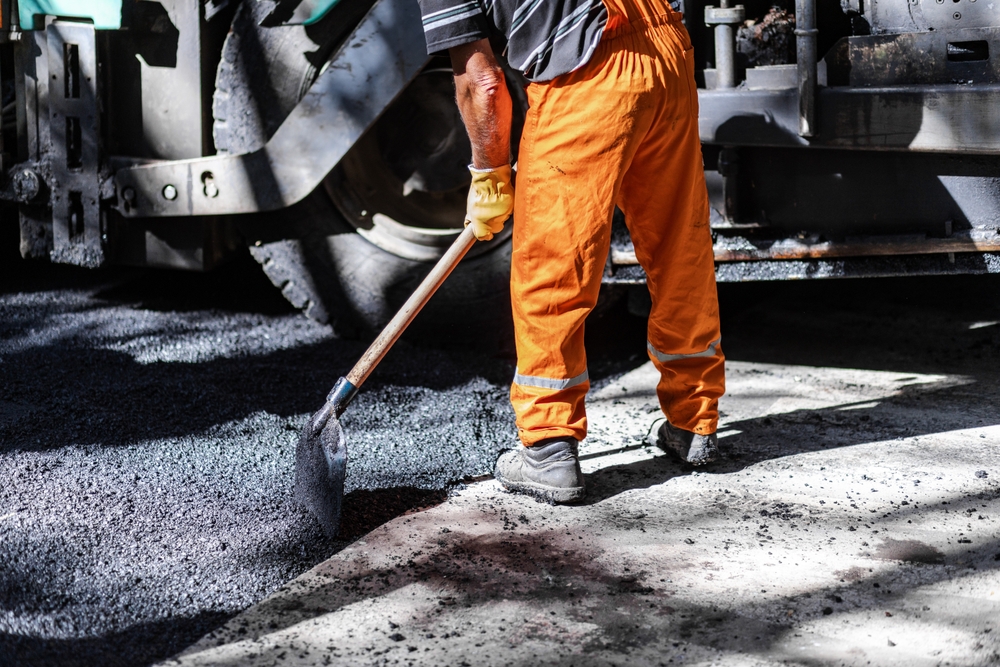
Asphalt is one of the most widely used materials for paving roads, driveways, and parking lots, thanks to its durability, cost-effectiveness, and smooth finish. However, its performance and longevity are highly dependent on how well it is installed. Even minor oversights during the asphalt installation process can lead to significant issues, resulting in expensive repairs, safety hazards, and a shortened lifespan of the pavement. For contractors, property owners, and developers alike, understanding and avoiding common asphalt paving mistakes is essential to achieving a high-quality, long-lasting surface.
Below, we’ll explore seven of the most common mistakes that occur during asphalt pouring and provide insights into how they can be avoided to ensure a successful and durable pavement.
1. Skipping or Rushing the Base Preparation
One of the most critical yet frequently overlooked aspects of asphalt installation is proper base preparation. The base layer acts as the foundation for the entire pavement structure, providing stability and load distribution. When the base is not adequately prepared, it compromises the entire asphalt surface.
A poorly graded or inadequately compacted base can lead to uneven settling, water pooling, and eventual cracking. Contractors may be tempted to rush through this phase due to scheduling pressures or budget constraints, but doing so is a costly mistake. Ensuring the subgrade is thoroughly inspected, free from organic material, and properly compacted can prevent many long-term issues.
Additionally, the choice of base material matters. Crushed stone or gravel should be used to promote drainage and structural integrity. Failing to select the appropriate material or not compacting it sufficiently leads directly to paving quality issues that become visible only after significant wear.
2. Using the Wrong Asphalt Mix for the Application
Not all asphalt is created equal. There are different mixes designed for various applications, each with a specific balance of aggregates, binders, and performance characteristics. Using the wrong type of asphalt can result in rapid deterioration, rutting, or surface erosion.
For instance, residential driveways may not require the same high-performance mix used on highways or commercial lots, but that doesn’t mean a contractor can use leftover or generic mixes. Each project should be evaluated based on traffic volume, climate, and load expectations to determine the appropriate asphalt blend. Overlooking this step can compromise the quality of the pavement and lead to expensive remediation.
Choosing the right mix is not just about durability. It also affects the finish, workability, and resistance to temperature fluctuations. Incorrect mix usage is one of the most common asphalt paving mistakes that can result in surface issues shortly after installation.
3. Inadequate Compaction During Installation
Compaction is the process that ensures the asphalt mix is properly compressed to remove air voids and create a strong, dense surface. Poor compaction is one of the leading causes of premature pavement failure. Without it, the asphalt is more susceptible to water infiltration, cracking, and deformation under load.
It’s not enough to simply roll over the surface. Compaction needs to be done at the right time, with the appropriate equipment, and with the right number of passes. If the asphalt cools too quickly before compaction is completed, it won’t bind properly. This results in weak spots that compromise the pavement’s performance.
Temperature, thickness, and mix composition all play roles in determining the compaction strategy. A common mistake is underestimating the time window available for compaction. This is especially crucial in colder climates, where the asphalt cools rapidly, reducing the opportunity for effective compression. Proper planning, skilled crews, and well-maintained equipment are all necessary to avoid poor compaction outcomes.
4. Ignoring Weather and Temperature Conditions
Weather plays a huge role in asphalt pouring and overall paving success. Many contractors make the mistake of scheduling installations without considering temperature, humidity, or potential precipitation. Pouring asphalt in suboptimal weather can reduce workability, impact compaction, and lead to surface inconsistencies.
Asphalt must be laid and compacted while it’s still hot. Cold or windy weather accelerates cooling, which can hinder the bonding of layers. Rain introduces another layer of risk, as water trapped in the layers can weaken the bond and cause structural damage.
Working in extreme heat, on the other hand, may seem ideal for keeping asphalt workable, but it can create challenges such as overly soft surfaces or safety issues for workers. The best practice is to follow manufacturer recommendations and industry standards regarding weather conditions. Failing to do so can lead to paving quality issues that could otherwise have been prevented with a bit of patience and planning.
5. Inconsistent Thickness and Slope
Uniform thickness and correct slope are vital to a functional and durable asphalt surface. Variations in thickness can result in weak spots that wear faster under vehicle traffic, while improper slope interferes with drainage, leading to water accumulation and surface damage.
When water is allowed to pool on the asphalt, it penetrates the surface and weakens the underlying layers, causing cracks and potholes. A properly graded surface ensures that water drains away efficiently, preserving the integrity of the pavement.
Some contractors neglect this aspect due to poor planning, lack of survey data, or time constraints. Asphalt paving is not just about laying material; it requires a precise understanding of elevation, flow, and geometry. The use of laser-guided grading tools or careful manual assessment can help achieve the right slope and consistent thickness across the entire project.
6. Overlooking Joint Construction and Seams
Joints and seams are the weakest parts of any asphalt surface. These are the areas where new asphalt meets existing pavement or where two passes of a paver overlap. If not constructed and compacted correctly, they become entry points for water and debris, accelerating deterioration.
A common mistake is failing to adequately heat and compact the joint area or not overlapping enough between passes. This results in cold joints that are prone to raveling and cracking. Special care must be taken when planning the paving pattern to minimize the number of seams and ensure they are placed in low-stress areas when possible.
Properly constructed joints require experience, attention to detail, and sometimes the use of specialized joint heaters or additional compaction techniques. Ignoring the significance of seam construction can result in visible lines, unevenness, and long-term structural issues.
7. Lack of Maintenance Planning After Installation
Many property owners and contractors focus solely on the installation phase and overlook the importance of post-installation maintenance. Even the best asphalt installation will degrade over time without regular upkeep. This includes sealcoating, crack filling, and periodic inspections to identify early signs of wear.
Assuming that freshly paved asphalt doesn’t require attention for years is a mistake that leads to preventable damage. UV rays, water, oil spills, and temperature fluctuations all contribute to asphalt aging. Establishing a routine maintenance schedule helps extend the life of the pavement, preserves aesthetics, and reduces the need for costly repairs down the road.
Contractors should educate clients about ongoing care as part of the service. A well-informed client is more likely to invest in preservation, which reflects positively on the contractor’s workmanship in the long term.
Conclusion
Avoiding common mistakes in asphalt pouring is not just about technical precision; it’s about understanding how each phase of the process contributes to the overall success and durability of the pavement. From initial planning and material selection to compaction and joint construction, every step plays a critical role in preventing paving quality issues and ensuring the finished product performs as expected.
By taking the time to prepare the base correctly, choosing the appropriate asphalt mix, ensuring proper compaction, respecting environmental conditions, maintaining consistent grading, addressing joints carefully, and planning for long-term maintenance, contractors and property owners can dramatically reduce the chances of costly errors.
Successful asphalt installation is as much about avoiding mistakes as it is about executing the right techniques. With thoughtful planning and professional execution, you can achieve a smooth, durable surface that stands the test of time.
Need an Asphalt Contractor Near You?
Let our family-owned team put more than 70 years of Memphis paving expertise to work for you. Whether you need a beautifully paved driveway, a durable commercial parking lot, professional sealcoating, chip & tar sealing, excavation, or crisp, long-lasting striping, we’re here to deliver quality that stands the test of time. Contact us now to protect, enhance, and elevate your asphalt investment with the trusted craftsmanship our community has relied on since the 1950s.