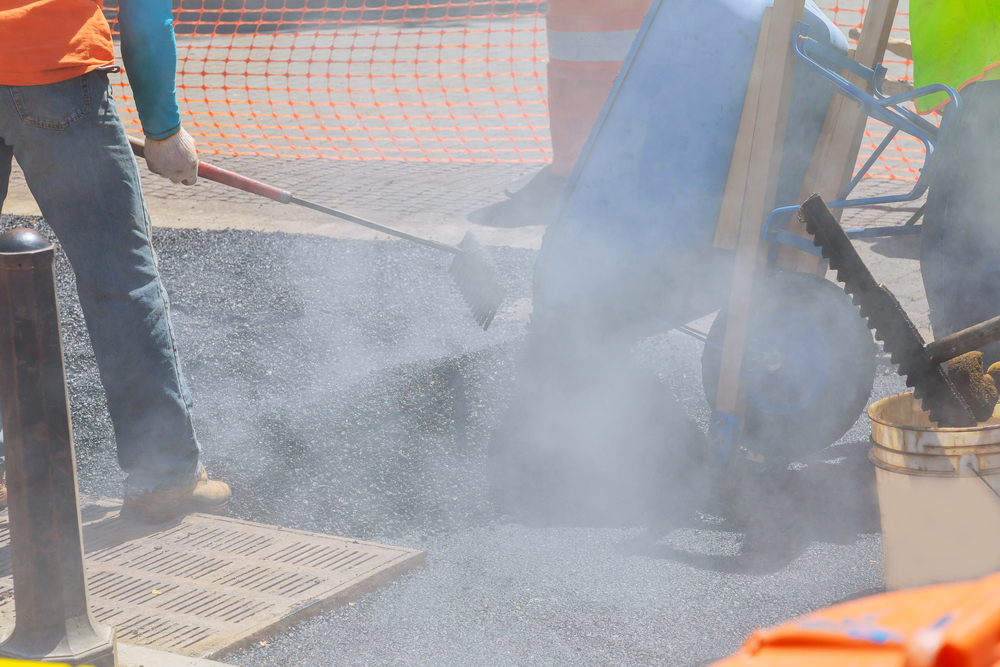
A driveway or parking lot can look fine from a distance while small cracks, drainage problems, and surface wear are already shortening its useful life. Around Senatobia, hot summers, periods of heavy rain, vehicle traffic, and occasional winter freezing can all contribute to asphalt deterioration.
The earlier property owners recognize trouble, the more options they usually have for addressing damaged pavement before the problem spreads.
Quick answer: Asphalt may need repair when you notice widening cracks, potholes, low spots that hold water, crumbling edges, loose aggregate, depressions, or sections that are beginning to break apart. Minor surface deterioration may sometimes be addressed with maintenance or localized repairs, while extensive cracking, base movement, or widespread failure can require more substantial work.
What local property owners should know
-
Small asphalt cracks can allow water into lower pavement layers, where continued moisture can contribute to additional deterioration.
-
Tate County properties experience hot summer pavement temperatures as well as periods of heavy rain that can expose drainage weaknesses.
-
Parking areas and driveways near busy routes such as Interstate 55 and U.S. 51 may experience regular vehicle loads that accelerate wear.
-
Potholes and broken pavement are usually symptoms of a larger problem rather than purely cosmetic defects.
-
Early evaluation gives property owners more repair choices than waiting until large sections of pavement fail.
Why Asphalt Damage Matters in Senatobia
Asphalt damage matters locally because pavement in northwest Mississippi must handle heat, rainfall, traffic, and seasonal temperature changes throughout the year, all of which can expose weaknesses in aging surfaces and underlying pavement layers. Damage that starts as a small crack can become a much larger repair issue when water repeatedly enters the pavement.
Properties throughout Tate County range from residential driveways to commercial parking areas serving businesses, schools, offices, and other facilities. Around Northwest Mississippi Community College, U.S. 51, and the Interstate 55 corridor, paved surfaces may also see frequent turning, parking, delivery, and commuter traffic.
Riley Asphalt & Sealcoating works with property owners who need to determine what type of asphalt attention makes sense for their pavement. We focus on identifying visible deterioration and matching the condition of the surface with an appropriate repair or maintenance approach.
Local Asphalt Repair Field Observations
Local asphalt problems are often easiest to identify by looking at cracking patterns, drainage behavior, traffic areas, pavement edges, and spots where the surface has begun losing material. These are practical field observations rather than published statistics, and individual pavement conditions can vary significantly from one property to another.
Hot weather can soften asphalt surfaces, particularly in areas carrying repeated vehicle loads. Rain can then expose low spots or cracks where water enters the pavement. During colder periods, moisture in existing openings can contribute to further movement and deterioration.
Properties in Senatobia and surrounding communities may therefore develop several types of damage at the same time rather than one isolated defect.
How Damaged Asphalt Affects Local Properties
Damaged asphalt can affect safety, drainage, appearance, vehicle movement, and the long-term condition of a driveway or parking area. Once deterioration begins spreading beyond the surface, delaying attention may allow a relatively contained repair area to become larger and more disruptive.
For homeowners, damaged pavement can create rough entrances, standing water, and crumbling driveway edges. For businesses, churches, apartment properties, and other facilities, broken pavement may also interfere with parking and traffic flow.
Maintaining a smoother, more stable surface can make everyday vehicle access easier while helping property owners manage pavement deterioration before larger sections are affected.
Warning Signs Your Asphalt May Need Repair
Your asphalt may need professional evaluation when visible damage is spreading, water is collecting where it should drain, or the pavement is losing its shape or surface material. The condition and pattern of the damage are often more informative than the size of a single crack.
Watch for these warning signs:
-
Widening cracks: Cracks that continue growing can allow additional moisture into the pavement.
-
Alligator cracking: Interconnected cracks resembling reptile skin can indicate deterioration that extends beyond a simple surface crack.
-
Potholes: Missing pavement usually means the affected area has already experienced significant breakdown.
-
Standing water: Puddles that remain after rainfall can signal depressions or drainage problems.
-
Crumbling edges: Unsupported driveway or parking lot edges can weaken and break apart over time.
-
Loose aggregate: Gravel-like material appearing on the surface can indicate that the asphalt is losing cohesion.
-
Ruts or depressions: Sunken wheel paths and low areas may point to pavement or base movement.
-
Repeated repairs in the same area: A spot that keeps failing may have an underlying issue that a surface patch alone is not correcting.
When to Call an Asphalt Professional
You should call an asphalt professional when cracks are multiplying, potholes are developing, pavement is sinking, water consistently collects on the surface, or previous repairs keep failing. Small changes can be monitored, but widespread deterioration usually deserves an evaluation before another season of heat and rain increases the affected area.
A homeowner can safely walk the driveway after a rainstorm and note where water collects, check whether cracks are expanding, and watch for loose material along the edges.
Commercial property owners can also inspect loading zones, entrances, turning areas, and heavily used parking lanes.
DIY monitoring should stop when determining the condition of the pavement base, correcting significant drainage problems, or choosing between structural repair and replacement requires professional judgment.
Common Causes of Asphalt Damage Around Tate County
The most common asphalt problems around Tate County are typically connected to water intrusion, weather exposure, traffic loads, drainage, and aging pavement. Several causes can work together, which is why repairing the visible surface without considering the reason it failed may produce disappointing results.
1. Water entering cracks: Rainwater can work beneath the surface through untreated openings.
2. Heavy or repeated traffic: Turning vehicles, delivery trucks, trailers, and frequent daily traffic place stress on pavement.
3. Poor drainage: Low areas that repeatedly hold water can accelerate deterioration.
4. Heat and sunlight: Northwest Mississippi summers expose asphalt to prolonged heat and UV radiation that contribute to aging.
5. Weak pavement edges: Vehicles traveling too close to unsupported edges can cause cracking and breakup.
6. Base movement: Settlement or instability below the asphalt may cause depressions, cracking, and recurring failures.
Communities such as Coldwater, Como, Sardis, and Hernando experience many of the same Mid-South weather conditions, so these concerns are not limited to one street or neighborhood.
Preventing Premature Asphalt Deterioration
Preventing premature pavement deterioration starts with keeping water out, maintaining drainage, addressing developing cracks, and protecting vulnerable pavement before minor wear becomes widespread damage. In Senatobia, spring and fall can be useful times to inspect asphalt because property owners can identify damage before the next period of seasonal weather stress.
After heavy rain, check whether water drains away instead of remaining in depressions. Keep leaves, soil, and debris from blocking drainage paths. Avoid repeatedly driving over unsupported pavement edges.
Cracks and isolated damaged areas should also be evaluated before they expand.
Sealcoating may be appropriate as part of a maintenance plan for pavement that remains structurally sound, but it is not a substitute for repairing potholes, unstable pavement, or serious structural damage.
What to Expect From Asphalt Repair
The expected result of asphalt repair is a more stable, usable surface in the damaged area, provided the repair method addresses the actual condition of the pavement. The appropriate approach may range from localized crack treatment or patching to more extensive removal and replacement where deterioration has progressed below the surface.
An evaluation should consider the extent of cracking, drainage, surrounding pavement condition, traffic demands, and whether the damage appears isolated or widespread.
Repair will not make every aging pavement surface look brand new. Its primary purpose is to correct specific deterioration and help restore function to affected areas.
Common Asphalt Repair Mistakes
The most common asphalt repair mistakes involve treating symptoms without addressing why the pavement is deteriorating, which can allow the same trouble to return. Local property owners should focus on the condition beneath and around the visible defect rather than assuming every crack or pothole requires the same solution.
Mistake: Filling a recurring pothole without investigating the surrounding pavement.
Consequence: The area may fail again if water or base instability remains.
Better approach: Determine why the section deteriorated before choosing a repair.
Mistake: Sealcoating badly damaged pavement.
Consequence: The coating may improve appearance temporarily but will not repair structural failure.
Better approach: Complete necessary pavement repairs before considering protective maintenance.
Mistake: Ignoring standing water.
Consequence: Moisture can continue entering cracks and weakened areas.
Better approach: Evaluate both the pavement damage and the drainage pattern.
A Common Senatobia Asphalt Scenario
A common local scenario is a driveway or parking area that develops a few visible cracks, followed by water collecting in those openings during repeated rainfall. Over time, the cracks widen, surrounding pavement loosens, and a small damaged section begins turning into a pothole or depression.
This example is a typical scenario, not a specific Riley Asphalt & Sealcoating project.
Evaluating the pavement while damage is still localized may leave more repair options available than waiting until several connected areas begin failing.
Related Asphalt Service Solutions
The right asphalt solution depends on whether the pavement needs preventive maintenance, localized repair, or more extensive correction. Crack treatment can help manage certain openings, patching can address localized failures, and sealcoating can help protect suitable asphalt surfaces from continued environmental exposure.
Where deterioration is more severe, damaged material may need to be removed and replaced instead of covered.
Comparing Asphalt Repair and Replacement
Repair is generally best suited to pavement with localized deterioration, while replacement becomes more appropriate when damage is widespread, recurring, or connected to significant failure beneath the surface. Choosing between the two should be based on pavement condition rather than appearance alone.
A few isolated damaged areas may not justify replacing an entire paved surface. Conversely, repeatedly patching pavement that is failing across large areas may provide only short-term improvement.
We can help property owners consider the visible damage, extent of deterioration, drainage, traffic demands, and overall pavement condition before deciding which approach makes sense.
Asphalt Service Areas Near Senatobia
Asphalt services in the Senatobia area can also be relevant to property owners throughout Tate County and nearby Mid-South communities where similar weather and pavement conditions occur. Nearby areas include Coldwater, Como, Sardis, and the Hernando area.
The Cost of Ignoring Asphalt Damage
Ignoring asphalt damage can allow water intrusion, cracking, potholes, and surface breakup to affect a progressively larger portion of the pavement. The biggest concern is not that every small crack becomes an emergency, but that repair options can become more involved once deterioration extends into surrounding pavement or the underlying base.
For a business, delayed work may also mean addressing a larger area later and creating more disruption to parking or vehicle access.
For homeowners, deterioration may progress from a manageable damaged section to a broader driveway problem.
Frequently Asked Questions
How do I know if my Senatobia asphalt needs repair?
Your asphalt likely needs repair if you see widening cracks, potholes, depressions, crumbling edges, loose surface material, or water collecting after rain. One small stable crack may simply need monitoring, but several connected symptoms can indicate that deterioration is progressing and should be professionally evaluated.
Are asphalt cracks common in Senatobia, MS?
Asphalt cracks can develop in Senatobia as pavement ages and is exposed to heat, rainfall, traffic, and seasonal temperature changes. A crack does not automatically mean the entire pavement needs replacement, but openings should be monitored because they can provide a path for water to reach lower pavement layers.
Should I repair a pothole right away?
A pothole should generally be addressed before traffic and weather enlarge the damaged area. Potholes indicate that pavement material has already broken away, so simply watching the area is unlikely to restore it. The surrounding pavement should also be checked for cracking, moisture problems, or instability.
Does standing water damage asphalt in Tate County?
Standing water can contribute to asphalt deterioration, particularly when it repeatedly enters cracks or weak pavement areas. After heavy Tate County rainfall, property owners should note puddles that remain in the same locations. Persistent water may indicate a surface depression, drainage problem, or pavement movement that deserves further evaluation.
Can sealcoating fix cracked asphalt in Senatobia?
Sealcoating is not designed to repair serious cracks, potholes, unstable pavement, or structural failure. It is primarily a maintenance treatment for asphalt that is still in suitable condition. Existing repair needs should normally be addressed first so damaged areas are not simply covered without correcting the underlying problem.
Is summer a good time to inspect asphalt in northwest Mississippi?
Summer can reveal pavement issues associated with heat, traffic, and surface aging, while inspections after heavy rain can reveal drainage problems and low spots. There is no need to wait for one specific season, however. Visible deterioration should be evaluated when it appears rather than being ignored until a scheduled maintenance period.
Why does the edge of my driveway keep crumbling?
Driveway edges often crumble when they lack adequate support, experience repeated vehicle loading near the edge, or have already weakened from weather and moisture. Keeping vehicles away from fragile edges may help reduce additional stress, but sections that are actively breaking apart may need repair rather than monitoring alone.
Should a commercial parking lot near I-55 be inspected differently?
A commercial parking lot should receive extra attention in high-traffic areas such as entrances, turning lanes, loading areas, and frequently occupied parking aisles. Properties near major routes such as I-55 may handle regular customer, employee, delivery, or service vehicle traffic, making traffic patterns an important part of evaluating pavement wear.
Protect Your Senatobia Pavement Before Small Problems Spread
Recognizing asphalt deterioration early gives local property owners a better opportunity to address cracks, potholes, drainage trouble, and worn areas before damage becomes more extensive. We can help you evaluate the condition of your pavement and determine which repair or maintenance approach fits what you are seeing.
Get a Clear Plan for Your Asphalt
Get practical guidance based on the actual condition of your driveway or parking area.