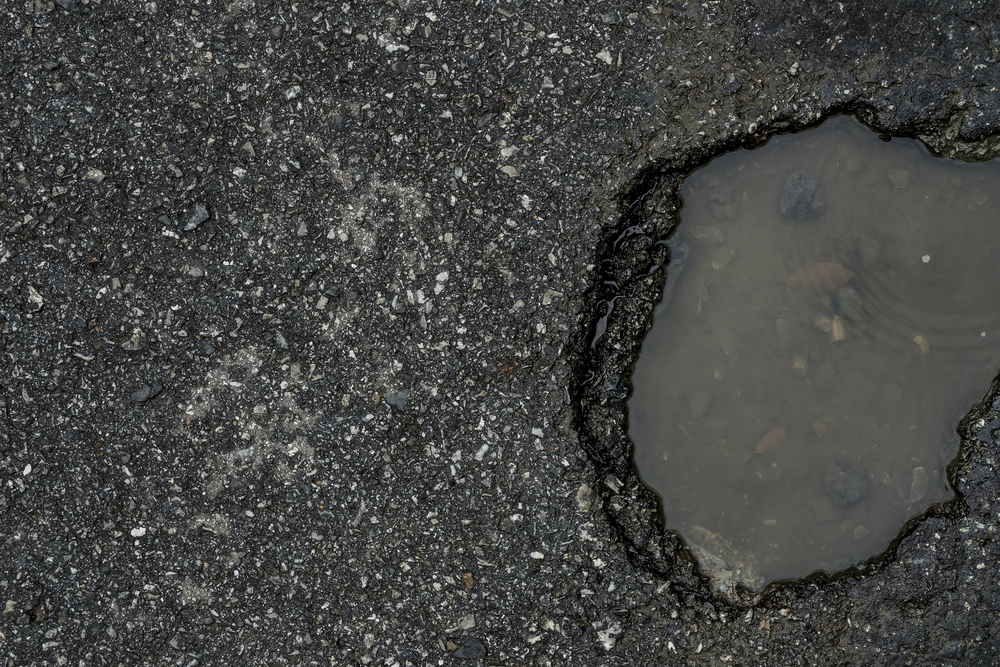
Potholes are among the most common and costly problems faced by property owners, municipalities, and road maintenance teams. At their core, potholes result from a combination of environmental conditions and inadequate asphalt maintenance. While they may seem like inevitable nuisances, a deeper understanding of how they form reveals several key intervention points that can stop potholes before they start.
The primary culprit in pothole formation is water infiltration. When water seeps through the surface of asphalt pavement, it weakens the underlying base layers. Over time, as traffic passes over the weakened section, the pavement begins to deteriorate. This deterioration worsens with seasonal weather cycles, particularly in regions where freeze-thaw damage is common. When water trapped beneath the pavement freezes, it expands, creating pressure that lifts and cracks the asphalt. Once temperatures rise and the ice melts, the void left behind collapses under the weight of vehicles, creating a pothole.
By identifying these root causes and focusing on proactive strategies, it is entirely possible to mitigate the development of potholes and extend the lifespan of asphalt surfaces.
The Role of Crack Sealing in Pothole Prevention
Crack sealing is one of the most effective tools available in the fight against potholes. Small cracks in the surface of asphalt may appear harmless at first, but they are often the first entry points for water infiltration. When left untreated, these cracks grow wider and deeper, eventually contributing to significant structural breakdown and, ultimately, pothole formation.
By applying high-quality sealants into these cracks, property owners and maintenance teams can block water from penetrating the asphalt surface. The timing of this process is critical. Crack sealing should ideally be performed when cracks are still small, typically under a quarter of an inch wide. Once cracks become too large, more intensive asphalt repair methods are needed, making early intervention both cost-effective and efficient.
Additionally, crack sealing is best performed during dry weather when temperatures are moderate. This allows the sealant to adhere properly and cure fully, ensuring a durable, watertight bond. Not only does this process prevent further degradation, but it also extends the overall service life of the pavement by preserving the integrity of the asphalt.
Importance of Regular Asphalt Maintenance
Routine asphalt maintenance is key to ensuring long-term durability and minimizing costly repairs. Neglecting small issues today can lead to significantly larger and more expensive problems in the future. Regular inspections should be part of any maintenance plan, especially after seasonal changes or significant weather events that can accelerate wear and tear.
Effective maintenance strategies involve monitoring for early signs of damage, cleaning debris from the pavement surface, ensuring proper drainage, and addressing any standing water. Removing debris and organic matter prevents moisture retention on the surface, which contributes to water infiltration. Maintaining proper drainage systems such as gutters and storm drains also prevents pooling water from seeping into asphalt layers.
Another crucial aspect of asphalt maintenance is sealcoating. This involves applying a protective layer over the asphalt surface to shield it from UV rays, chemicals, oil spills, and moisture. Sealcoating not only improves the appearance of the pavement but also creates a barrier that helps prevent water penetration and delays oxidation and surface erosion. Ideally, sealcoating should be performed every two to three years depending on traffic levels and environmental exposure.
Tackling Freeze-Thaw Damage Before It Starts
Freeze-thaw damage poses one of the greatest threats to asphalt surfaces, particularly in regions that experience harsh winters. This type of damage occurs when water enters small cracks or pores in the asphalt and then freezes. Since water expands as it freezes, it places tremendous stress on the surrounding material, often leading to larger cracks, upheaval, and eventual pothole formation. As the ice melts, the now-weakened area is susceptible to collapsing under the weight of vehicles.
The best way to counteract this process is through timely asphalt repair and moisture control. Ensuring that existing cracks are sealed before winter sets in is crucial. Crack sealing ahead of the freeze-thaw cycle minimizes the amount of water that can enter the pavement and reduces the potential for ice formation beneath the surface.
Maintaining good drainage infrastructure is equally important in managing freeze-thaw damage. When water has no place to go, it lingers and increases the chances of infiltration. Sloping pavement surfaces to direct runoff, cleaning out drains, and ensuring that nearby soil does not direct water back toward the pavement can significantly reduce the impact of winter weather.
For areas already affected by freeze-thaw damage, prompt asphalt repair is essential. Patching potholes quickly prevents further deterioration and avoids compounding structural damage. Left unaddressed, a single pothole can lead to more widespread issues that compromise the safety and usability of the entire surface.
Proactive Asphalt Repair Strategies
While preventive measures are ideal, damage can still occur despite the best efforts. In such cases, prompt and effective asphalt repair is vital to stopping the cycle of deterioration. Different repair methods are available depending on the extent of the damage and the time of year.
Cold patching is a common temporary solution, especially during winter months when hot mix asphalt is unavailable. It involves filling the pothole with a pre-mixed asphalt material that can be applied in lower temperatures. While this method provides quick relief and improves safety, it is generally considered a short-term fix.
Hot mix asphalt repair offers a more durable and permanent solution. This process requires the damaged area to be cleaned and cut out before applying and compacting fresh asphalt. This method restores structural integrity and creates a seamless surface that is less susceptible to future water infiltration.
In cases of extensive damage, more advanced repair techniques such as full-depth reclamation or overlay installation may be necessary. These involve removing and rebuilding large sections of pavement to address foundational issues. While more costly, these repairs can significantly extend the lifespan of the asphalt and prevent further deterioration.
Regardless of the method used, timely asphalt repair is essential for breaking the cycle of damage and maintaining safe, durable surfaces.
Conclusion
Preventing potholes is a multifaceted process that hinges on proactive planning, consistent asphalt maintenance, and timely interventions. Water infiltration, crack formation, and freeze-thaw damage are the primary forces that lead to pothole development, but each of these challenges can be mitigated through thoughtful strategies.
Crack sealing serves as an early line of defense against water penetration. Regular maintenance such as sealcoating and cleaning supports the long-term health of asphalt surfaces. Addressing freeze-thaw cycles with seasonal preparations ensures pavements are resilient to winter stress. Finally, responding quickly to emerging issues through effective asphalt repair helps keep minor damage from escalating into major structural failures.
By understanding and addressing the conditions that contribute to potholes, property owners and maintenance teams can preserve their investments, improve safety, and reduce long-term repair costs. Preventive care is always more affordable than major rehabilitation, making it a wise and necessary approach for anyone responsible for maintaining asphalt surfaces.
Need an Asphalt Contractor Near You?
Let our family-owned team put more than 70 years of Memphis paving expertise to work for you. Whether you need a beautifully paved driveway, a durable commercial parking lot, professional sealcoating, chip & tar sealing, excavation, or crisp, long-lasting striping, we’re here to deliver quality that stands the test of time. Contact us now to protect, enhance, and elevate your asphalt investment with the trusted craftsmanship our community has relied on since the 1950s.